- Gym World
- Posts
- From shared space to two locations
From shared space to two locations
How Prevail Strength and Fitness created repeatable systems that scale

John Franklin
January 23, 2026
What’s up Gym World?
Sean Shearon ran Prevail Strength and Fitness inside another gym for two years before opening a single studio. During that time, he tested things like class size and programming to make sure everything worked. The result was a gym that could run consistently from day one and scale to a second location without chaos.
If you want to see how he did it in detail, you can watch the full interview below.
If you don’t have time, here’s a quick summary of the lessons that you can apply to your gym today.
Start small and test the model
Sean didn’t open a full gym right away. He was coaching a bootcamp inside a commercial gym, and once he decided to go independent, he bought the program and ran it under his own brand in the same space. He paid a flat rate to use the gym and shared revenue with them.
💬 Sean showed the gym the numbers and explained how the arrangement could be profitable. They agreed since it would generate more revenue. This let Prevail start without taking on the full risk of a standalone studio.
During those two years, Sean focused on figuring out what worked:
How to run strength training in a group setting
How many members could be coached effectively in a session
How to structure sessions so they felt like personal training
Which systems were essential before opening a standalone studio
By the time Prevail opened its first location, the model had already been tested and refined. Sean knew it could work at scale.
💬 Starting small like this is a unique way to test your program and systems in a low-risk environment. You can make adjustments and refine processes before committing to a full buildout. Other gym owners like Conor Oakley and Damon Vincent have also shared space before opening their own gyms and found it extremely valuable.
Focus on structure over intensity
Early in his career, Sean coached bootcamps, HIIT, and back-to-back personal training sessions. He realized that high-intensity classes were easier to run because they required less skill, less planning, and fewer equipment setups.
Strength training was different. It forced him to think through every detail:
How to progress members safely over time
How to keep programming consistent
How to organize space, equipment, and coaching attention
How to slow members down so they followed the program properly
Focusing on structure created a repeatable system. No matter which coach was leading or how motivated members were that day, sessions delivered the same quality consistently.
💬 Energy can attract members, but structure keeps them coming back. A repeatable program lets every coach deliver consistent results and makes your gym predictable and reliable.
Let operational limits guide scaling
Before opening the first standalone studio, Sean knew exactly what his team and space could handle. Scaling a gym successfully means making sure systems, staff, and space can support growth without compromising the member experience.
Prevail caps classes at sixteen members. This came from experimenting with different group sizes in the original gym and finding the sweet spot where coaches could give individual attention without losing the group dynamic.
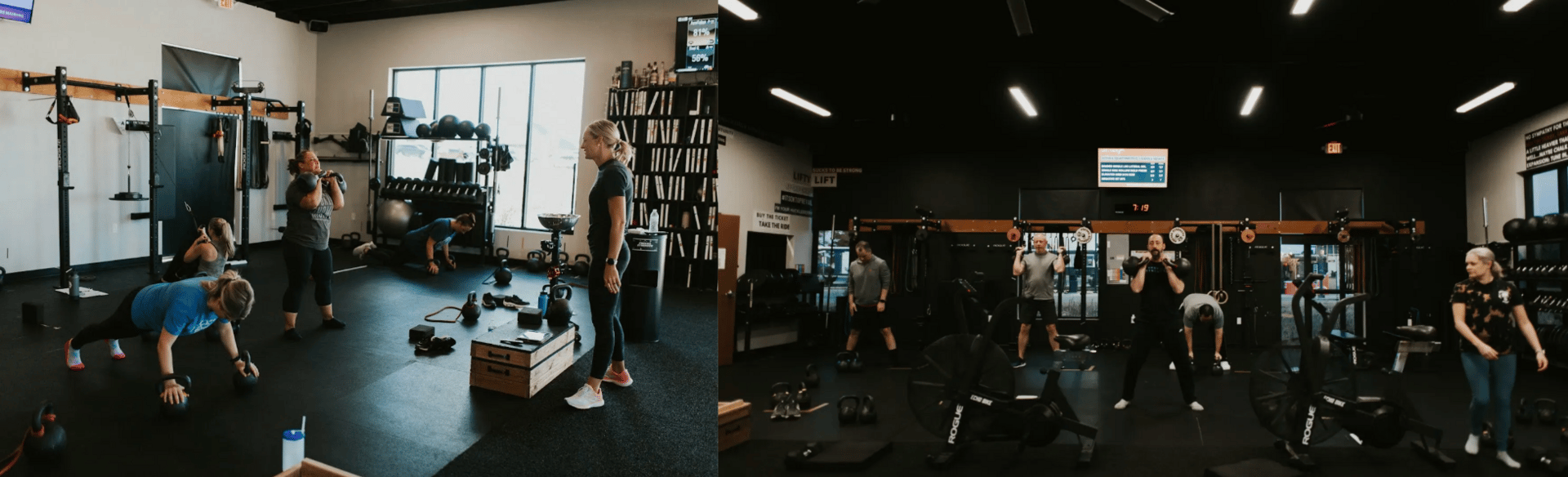
Operational limits like space, equipment, and staff capacity became guiding principles. They helped Sean:
Build class structures that could be replicated across multiple coaches
Ensure every session maintained a high standard of coaching
Make scaling to a second location predictable and manageable
💬 Understanding your operational limits makes growth predictable. Protect coaching quality and design repeatable systems so your gym can expand without creating chaos.
Build onboarding and retention systems
When Sean planned Prevail’s second location, he realized much of the business still lived in his and his wife’s heads. There was no shared documentation, no consistent onboarding process, and no retention system that could run without him.
In 2021, Sean worked with a business coach to identify all the reasons a second location could fail. That process clarified which systems needed to be built before scaling.
Onboarding at Prevail now works like this:
Every new member completes five one-on-one sessions before joining group classes
The sessions are included in the membership as a value add rather than a separate sale
Any coach can deliver the sessions consistently so the experience doesn’t depend on a single person
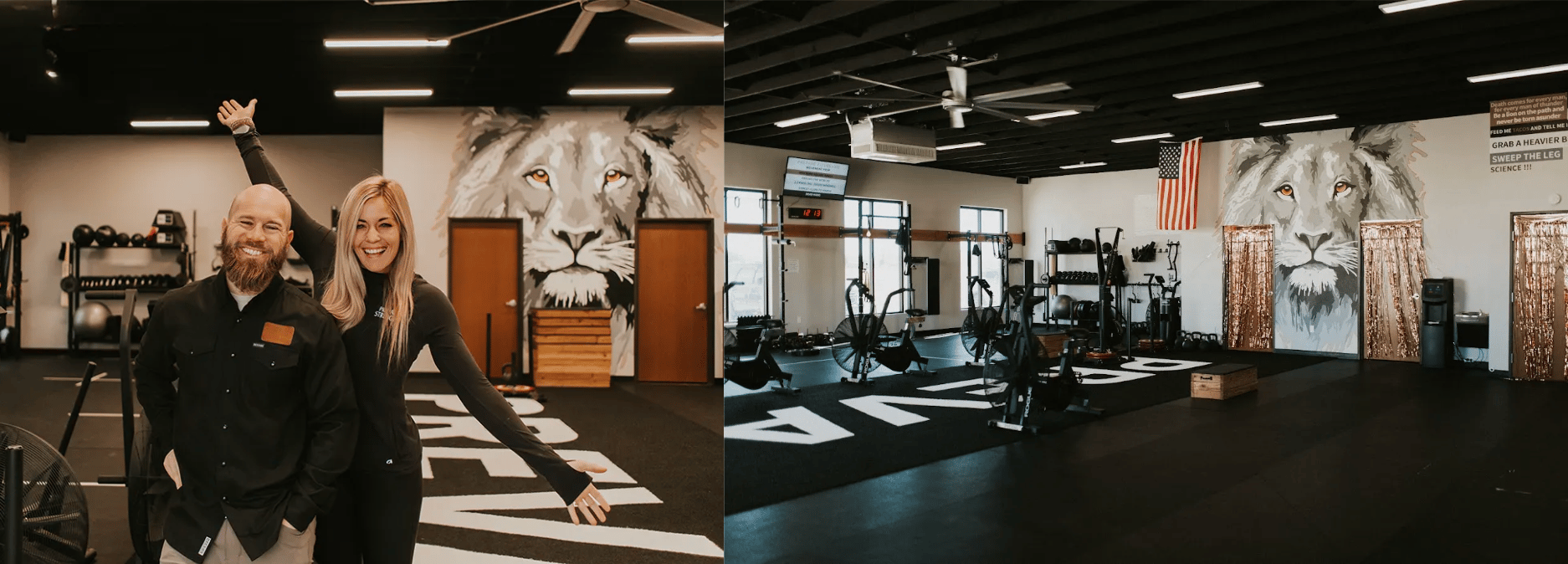
Retention is layered and repeatable, designed to run without Sean managing every detail:
Coaches act as Student Success Specialists, handling check-ins and communication outside of class
Workshops, events, merch drops, and referral programs are gradually layered, tested, and refined
Systems ensure members receive the same experience across coaches and locations
💬 Sean also switched to Kilo. With the website, CRM, and GMS all under one roof, he could centralize onboarding, retention, and other processes, making it easy to maintain consistency across locations and grow smoothly.
Establish culture through consistency
Unlike most gyms, Sean doesn’t actually use the word community. He’s found that forced attempts at building community often feel inauthentic, especially for Prevail’s members, who are busy adults.
Instead, Prevail focuses on predictable standards and consistent coaching. Culture is reinforced through experiences that complement members’ lives rather than demanding extra time.
These include:
Interactive workshops on training, nutrition, or performance
Group hikes and adventure activities through the Prevail Adventure Club
Branded events and occasional merch drops that celebrate progress
By layering these experiences over a foundation of consistent coaching and systems, the culture becomes something members naturally connect with—not something they feel pressured to participate in.

TL;DR
Scaling a gym doesn’t have to feel chaotic. Sean started small, focused on structure, respected his team and space, and built systems that could run without him. On top of that, he layered culture through consistent experiences that members value.
His advice is simple: start with the floor system so the gym can run without you. Then fix the system that drains the most energy, and repeat. Over time, these repeatable systems create a gym that scales predictably while keeping quality high, even when you’re not in the room.
For more stories like this and practical insights for running your gym, check out Gym World.
hope this helps,
j